Understanding Image to Image Transformation
In the dynamic world of digital art, the concept of image to image transformation has gained immense traction. This technology enables artists to manipulate and convert images into various styles or forms, leveraging algorithms and software designed to enhance and alter visual content. As a growing field, it presents both creative opportunities and technical challenges, captivating artists, designers, and hobbyists alike. Exploring this fascinating intersection of art and technology can unlock new possibilities for creators looking to push their boundaries. When exploring options, image to image offers comprehensive insights that can guide both beginners and seasoned professionals.
What is Image to Image Technology?
Image to image technology refers to the process of transforming one image into another while preserving the original content's structure. This can involve techniques such as style transfer, where the stylistic elements of one image are applied to the content of another. For example, artists may take a photograph and render it in the style of a renowned painter, achieving a unique blend of modern and classic aesthetics. The process relies heavily on deep learning algorithms, particularly Convolutional Neural Networks (CNNs), that analyze and modify pixel data to create an entirely new visual output.
Applications of Image to Image in Art
The applications of image to image technology in art are diverse and transformative. Artists use this technique for:
- Style Transfer: Artists can reinterpret their works or photos by applying different styles, such as impressionism or cubism.
- Image Enhancement: This includes sharpening details, adjusting color tones, and improving overall composition.
- Creative Filters: Artists can develop unique filters or effects that can be applied to their images, making their work stand out.
Beyond traditional art, image to image technology has implications in advertising, gaming, and UI design, where visual appeal is paramount.
Common Misconceptions about Digital Art Techniques
Despite the rising popularity of image to image technology, several misconceptions remain. One prevalent myth is that digital art requires extensive programming knowledge. While a basic understanding of software can be beneficial, many user-friendly tools exist that allow artists to create compelling works without deep technical expertise. Another misconception is that digital art lacks authenticity compared to traditional media; however, digital techniques can emulate styles and processes that respect and enhance artistic integrity.
Tools and Software for Image to Image Projects
Best Digital Art Software for 2026
As the digital art landscape evolves, so do the tools and software available to artists. For 2026, some of the top digital art programs include:
- Adobe Photoshop: Still a favorite among professionals for its powerful editing and layering capabilities.
- Corel Painter: Renowned for its realistic simulation of traditional painting techniques.
- Procreate: A mobile application that has become incredibly popular among illustrators for its intuitive interface.
- DeepArt and Runway ML: Tools dedicated to image to image transformations that utilize AI and machine learning to create stunning visuals.
Choosing the Right Hardware for Image Processing
Hardware choice significantly impacts the efficacy of image to image projects. Key considerations include:
- Graphics Card: A high-quality GPU is essential for rendering complex images quickly and efficiently.
- RAM: Ample RAM ensures smooth multitasking, especially when working with large files.
- Display: A color-accurate monitor helps artists evaluate their work accurately to maintain quality throughout the editing process.
Integrating Traditional Techniques with Digital Tools
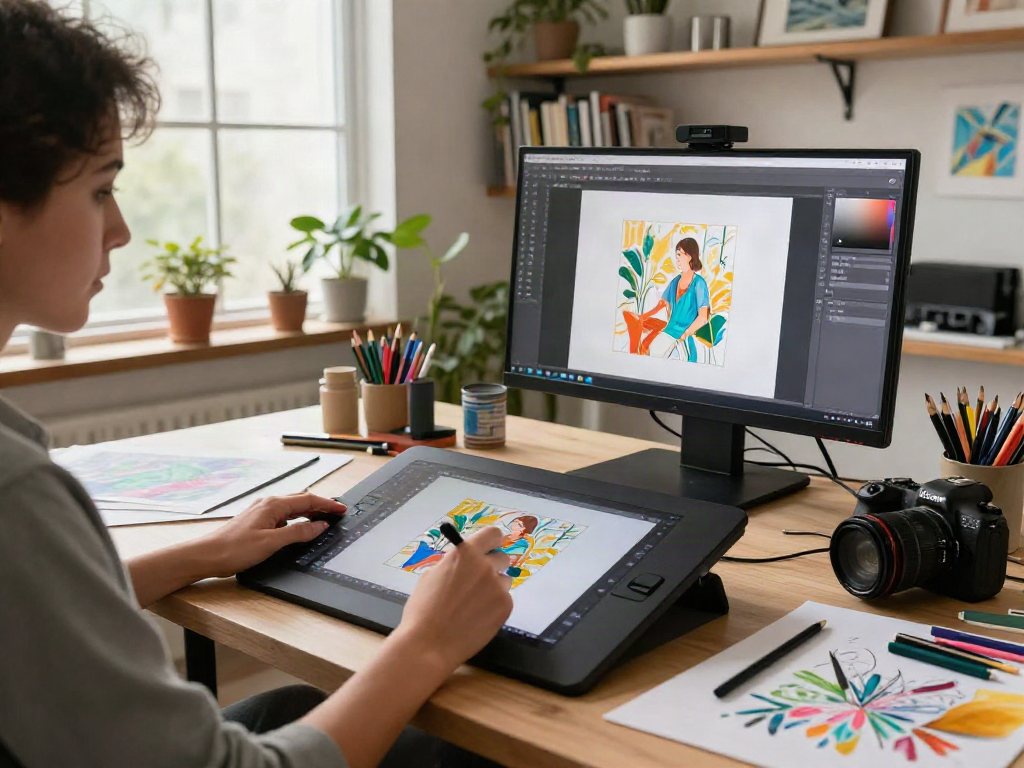
Many digital artists find value in blending traditional art techniques with digital tools. This hybrid approach allows for greater flexibility and creativity. For instance, artists might start with hand-drawn sketches scanned into a digital format, which they then enhance using image to image software. This not only preserves the handcrafted touch but also expands the artistic possibilities through digital modifications.
Techniques for Effective Image to Image Conversion
Step-by-Step Guide to Image to Image Workflow
To master the image to image workflow, follow these essential steps:
- Image Selection: Choose a base image and a style reference image that complement each other.
- Pre-processing: Adjust both images for optimal alignment in terms of size and lighting.
- Choose Software: Select appropriate software that supports the features you need for transformation.
- Applying Techniques: Utilize filters or transformation algorithms to achieve the desired artistic effect.
- Post-processing: Fine-tune details, add layers, and make necessary adjustments to ensure the final artwork meets your standards.
Best Practices in Art Style Transfer
When engaging in style transfer, consider these best practices:
- Image Quality: Start with high-resolution images to retain detail during the transformation process.
- Balanced Styles: Experiment with various styles to find a harmonious blend with the original content.
- Iterate and Experiment: Don’t hesitate to run multiple iterations to explore different outcomes until you find the perfect match.
Real-World Examples of Successful Image to Image Projects
Several artists and organizations have pushed the boundaries of image to image transformation. A notable example is the collaborations between designers and AI platforms to create unique fashion collections that depart from traditional design methods. Additionally, social media influencers use image to image techniques to produce captivating visuals that engage audiences, demonstrating how technology and creativity intertwine to produce remarkable results.
Challenges in Image to Image Creations
Overcoming Creative Blocks in Digital Art
While the potential for creativity is vast, digital artists often encounter creative blocks. Techniques to overcome these challenges include:
- Engagement with Community: Participating in artist communities can spark new ideas and foster collaboration.
- Exploration of New Styles: Trying out different artistic techniques can reignite inspiration.
- Regular Practice: Setting aside time for consistent practice can help build skills and reduce anxiety associated with creative blocks.
Technical Issues and Solutions
Technical challenges can arise during image to image transformations. Common issues include:
- Software Crashes: Ensure your software is up to date and that your hardware meets the minimum requirements.
- Rendering Errors: Check image compatibility settings and adjust parameters if the output is not as expected.
Insights from Professional Digital Artists
Insights from experienced digital artists reveal essential strategies for navigating the image to image landscape. Many underscore the importance of continuous learning due to the rapid evolution of software tools and techniques. Additionally, building a personal style while embracing the digital medium can help artists stand out in a crowded field.
Future Trends in Image to Image Artistry
Emerging Technologies Shaping Digital Art in 2026
The future of image to image artistry is being shaped by several emerging technologies, including:
- Augmented Reality (AR): Artists can create immersive experiences by overlaying digital art onto the physical world.
- Artificial Intelligence: AI continues to refine image processing capabilities, allowing for more sophisticated transformations and customizations.
- Blockchain Technology: This technology is paving the way for new business models in art distribution and ownership.
The Rise of AI in Art and Its Implications
AI's integration in art is a double-edged sword. While it opens doors to innovative techniques and accessibility, it also raises ethical questions regarding authorship and originality. Artists need to navigate these waters carefully, ensuring that their creative identity remains intact while leveraging AI tools to enhance their work.
Preparing for the Future: Skills Every Digital Artist Should Master
As the digital landscape evolves, artists must adapt by developing new skills. Critical areas to focus on include:
- Understanding AI Tools: Familiarity with AI technologies that can simplify and enhance the creative process.
- Data Visualization: Ability to interpret data for artistic purposes, bridging the gap between information and visual expression.
- Networking: Building connections with other artists and tech innovators can lead to collaborations and opportunities.